
Blog
Muscle Gain Diet: A Practical Meal Plan
- Home
- Blog
- Nutrition and Recovery
- Muscle Gain Diet: A Practical Meal Plan
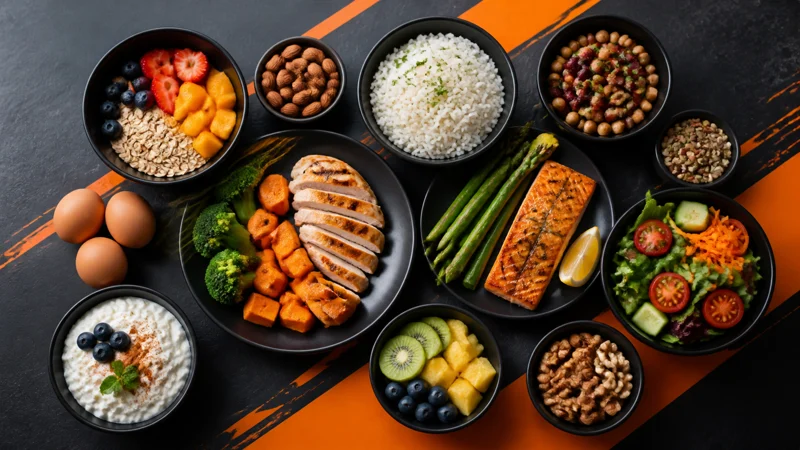
A muscle-gain diet should provide enough energy for training and recovery without causing unnecessarily rapid fat gain. The best approach is not a short-term diet but a sustainable routine with quality foods, adequate protein, and gradual portion adjustments.
How many calories do you need?
Start with a small calorie surplus above maintenance. For many people, roughly 200–300 extra calories per day is a reasonable starting point, but actual needs depend on body weight, activity, training experience, and metabolism. Track your weekly average weight and adjust gradually.
A very large surplus does not proportionally accelerate muscle growth and may increase body-fat gain.
Key nutrients
Protein
For active adults, a practical target is often around 1.6–2.2 grams of protein per kilogram of body weight per day, spread across 3–5 meals. Useful sources include eggs, meat, fish, dairy, legumes, and soy foods.
Carbohydrates
Carbohydrates support intense training and glycogen recovery. Choose rice, potatoes, oats, fruit, whole-grain bread, pasta, and legumes according to your preferences.
Fats
Do not eliminate dietary fat. Include olive oil, nuts, seeds, avocado, eggs, and oily fish while monitoring portions because these foods are energy dense.
Sample daily meal plan
Breakfast
Oats with milk or yogurt, banana, berries, and nuts, plus eggs or skyr for additional protein.
Snack
Greek-style yogurt with fruit and a little honey, or a whole-grain sandwich with turkey and vegetables.
Lunch
Chicken, turkey, lean beef, fish, or tofu with rice or potatoes, salad, and a moderate amount of olive oil.
Around your workout
Before training, choose an easy-to-digest meal with carbohydrates and protein. After training, a normal meal at a convenient time is usually sufficient; there is no need to chase a very short “anabolic window.”
Dinner
Fish, eggs, meat, or legumes with vegetables and a carbohydrate source based on your remaining needs.
How to increase calories without huge meals
- Add olive oil, tahini, nuts, or avocado.
- Use a smoothie with milk, oats, fruit, and yogurt.
- Add another serving of rice, potatoes, or bread.
- Eat more frequently if large portions are uncomfortable.
Vegetarian and vegan options
Combine lentils, beans, chickpeas, tofu, tempeh, soy milk, whole grains, nuts, and seeds. With a fully plant-based diet, pay attention to vitamin B12 and other potentially limited nutrients with guidance from a qualified professional.
How to monitor progress
- Track your weekly average body weight.
- Measure circumferences and take photos under consistent conditions.
- Record loads and repetitions in the gym.
- Monitor sleep, appetite, and recovery.
If weight does not change for 2–3 weeks and training is not progressing, increase calories slightly. If body fat is rising too quickly, reduce portions moderately.
Frequently asked questions
Do I need to eat every two hours?
No. Choose a meal frequency that helps you meet your calorie and protein needs comfortably.
Is protein powder necessary?
No. It is convenient but optional if you obtain enough protein from food.
How quickly should I gain weight?
The ideal pace is individual. Slow, controlled weight gain generally helps limit unnecessary fat gain.
Can I lose fat and build muscle at the same time?
It can happen in beginners, people returning after a break, or those with higher body-fat levels, but results depend on training, nutrition, and recovery.
Conclusion
A successful muscle-gain meal plan combines a small calorie surplus, adequate protein, carbohydrates for training, and varied whole foods. If you have a medical condition, an eating disorder, or specific dietary needs, consult a doctor or registered dietitian.