
Article
Should I Exercise When I Am Sick?
- Home
- Should I Exercise When I Am Sick?
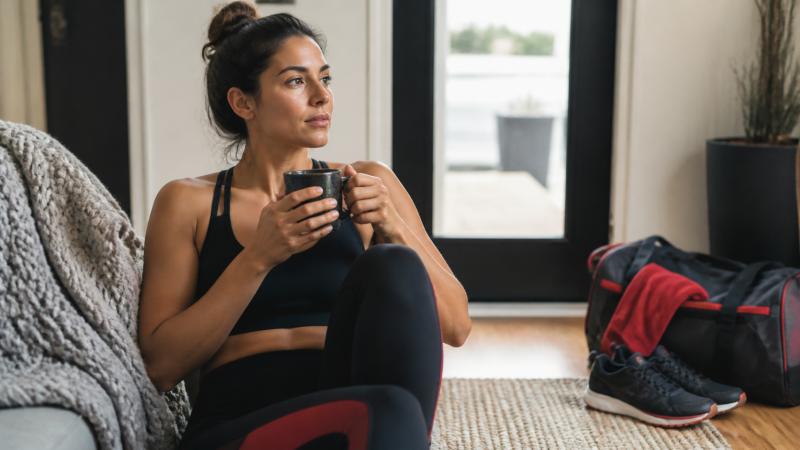
When you are ill, the desire to preserve momentum is understandable. Exercise is an additional stress, however, and it can sometimes delay recovery or expose other people to infection. The decision depends on symptoms, severity, cause and general health. When uncertain, rest is the safer option.
First question: could you be contagious?
Even if you feel capable of exercise, do not visit a public gym while you have an active respiratory infection, fever, vomiting or diarrhoea. Coughing, sneezing, touching equipment and close contact can spread illness. A home session or rest protects other members and staff.
Follow current public-health and medical advice about returning to shared spaces. Good hygiene does not replace staying home while contagious.
Is the “above the neck” rule enough?
A popular rule suggests that mild symptoms only above the neck—runny nose, sneezing or a slight sore throat—may permit easy activity. Symptoms below the neck, such as chesty cough, breathlessness, body aches, stomach symptoms or fever, call for rest.
This is a rough guide, not a medical test. A mild runny nose may be the beginning of a more significant illness. Consider energy, resting heart rate, sleep and the direction of symptoms, not only their location.
When should you definitely avoid training?
- fever or chills;
- chest pain or tightness;
- shortness of breath, wheezing or unusually difficult breathing;
- severe fatigue, dizziness or fainting;
- widespread aches unrelated to training;
- vomiting, diarrhoea or dehydration;
- an unusually high resting heart rate;
- symptoms that are rapidly worsening.
With these signs, training is not evidence of discipline. The body needs resources for recovery and, where symptoms are severe or concerning, medical assessment.
Why are fever and exercise a poor combination?
Fever already raises thermal strain, heart rate and fluid loss. Exercise adds more stress and may contribute to overheating, dehydration and deterioration. Do not use fever-reducing medicine to mask symptoms so that you can train.
Wait until you are fever free without medication and clearly improving. After a significant illness, a clinician should advise when return is safe.
Viruses and the heart
Some viral infections can rarely affect the heart muscle. Hard exercise with chest pain, palpitations, fainting, unusual breathlessness or a sudden performance drop can be dangerous. Stop and seek medical care. Do not resume sport until concerning symptoms have been assessed.
This is particularly important after an infection when ordinary activity produces palpitations or breathlessness that was not previously typical.
Can you take an easy walk?
With very mild symptoms, no fever and no chest or systemic complaints, a short easy walk at home or outdoors away from others may be tolerated. Keep effort low and stop if symptoms, dizziness or unusual fatigue increase.
The walk should not turn into intervals. Its purpose is gentle movement and fresh air, not calorie burning or maintaining a record.
What about a home strength workout?
If symptoms are minimal and improving, a brief session using about half the normal volume and substantially lighter loads may be possible. Leave at least four or five repetitions in reserve. Avoid failure, heavy compound lifts, breath holding and long circuits.
When in doubt, rest. Missing several workouts will not erase fitness, while pushing hard may prolong the interruption.
What if you have a stomach bug?
Vomiting and diarrhoea cause loss of fluids and electrolytes. Do not train while symptoms are active. Sip fluids and follow medical advice, particularly if you cannot keep water down or have blood, severe pain, high fever or signs of dehydration.
Resume with easy movement because hydration and energy intake may not yet be normal.
Allergy or infection?
Seasonal allergy can cause sneezing, runny nose and watery eyes without fever. When symptoms are familiar and controlled, exercise is often possible. Unusual breathlessness, wheezing or marked fatigue still needs attention. People with asthma should follow their personal action plan and carry prescribed medication.
Sleep, fluids and food
Sleep is one of the most useful recovery tools. Create a restful environment and do not mask fatigue with large caffeine doses. Drink according to thirst and monitor dehydration. Needs may be higher with fever or gastrointestinal symptoms.
Choose tolerated foods containing protein, carbohydrate, fruit and vegetables according to appetite. You do not need to force a fitness meal plan, but prolonged inability to eat warrants medical advice.
Will you lose progress?
Several days or one week of rest rarely causes meaningful muscle loss. You may feel weaker because of lower glycogen, poor sleep and residual fatigue. These factors improve quickly after recovery.
A longer interruption causes partial detraining, but muscle memory helps regain performance. Health has priority over temporary numbers in a logbook.
How to return after a mild illness
On the first day, perform roughly half the normal volume at low to moderate intensity. If symptoms do not worsen over the next 24 hours, increase gradually. The second and third sessions might reach 60–80 percent. Restore maximal efforts last.
After fever, a substantial infection or prolonged symptoms, progression should be slower. Stop and ask a clinician if heart rate is unusually high or chest symptoms appear.
A return-to-training example
- day 1: 20–30 minutes of walking and gentle mobility;
- day 2: rest or repeat according to symptoms;
- day 3: a brief full-body workout with two light sets;
- day 4: rest and assess recovery;
- day 5: a moderate session without failure;
- following week: gradually restore normal volume.
This is a general example rather than a medical prescription. A longer or complicated illness requires an individual approach.
When should you seek medical help?
Seek emergency care for breathing difficulty, severe chest pain, blue lips, confusion, fainting or other severe symptoms. Ask a clinician about persistent fever, deterioration, dehydration, unusual heart rate, symptoms triggered by exertion or management alongside chronic disease.
Returning after COVID-19 or another substantial respiratory infection
Recovery varies widely. Begin only after the acute phase has resolved and ordinary daily activities are tolerated. Use easy walking before resistance work or intervals. Persistent chest discomfort, palpitations, breathlessness, marked fatigue or exercise intolerance requires medical assessment before progression.
Can exercise support immunity?
Regular moderate activity contributes to general health and immune function, but one hard workout cannot cure an active infection. High training stress combined with insufficient sleep and food may increase fatigue. Long-term consistency supports health; appropriate rest supports recovery.
Common mistakes
- training with fever after taking medicine;
- attending a gym while contagious;
- trying to compensate for missed days;
- returning directly to failure and intervals;
- ignoring chest pain or unusual breathlessness;
- believing sweat can remove a virus.
Frequently asked questions
Can I exercise with a runny nose?
Very easy home activity may be possible with a mild runny nose and no fever, chest symptoms or fatigue, but do not attend a gym if you may be contagious.
How long should I wait after fever?
You should be fever free without medication and clearly improving. Follow medical advice after a more serious illness.
Can I train while taking antibiotics?
The reason for the prescription matters more than the medicine alone. Ask the prescribing clinician and avoid exercise with active systemic symptoms.
Will rest ruin fat-loss progress?
Several rest days do not determine the long-term result. Recovering properly supports a faster and safer return.
Conclusion
Do not exercise with fever, chest symptoms, severe fatigue or gastrointestinal illness. With minimal symptoms, brief easy movement at home may be appropriate, but protect others from infection. Restore training gradually and seek medical help for warning signs. Timely rest is part of sound training discipline.