
Блог
Eat These 5 High-Protein Foods If You Want to Build Muscle
- Начало
- Блог
- Хранене и възстановяване
- Eat These 5 High-Protein Foods If You Want to Build Muscle
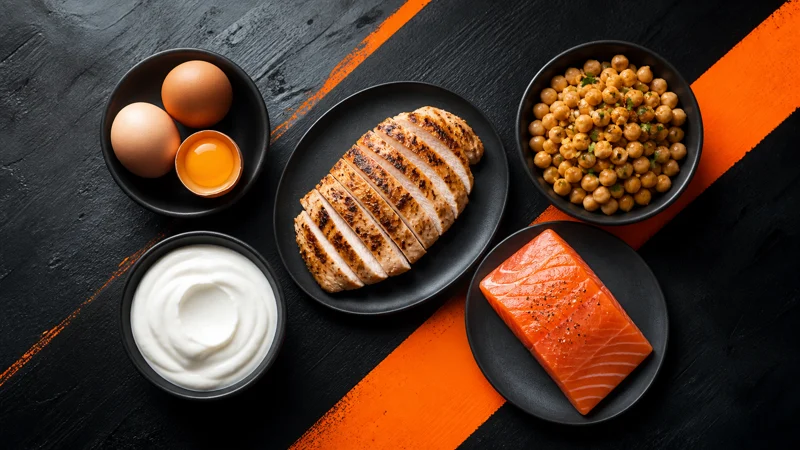
Building muscle requires more than hard training. Your body needs enough energy, protein, and recovery time. A practical approach is to spread protein across the day and choose varied foods that also provide vitamins, minerals, healthy fats, and carbohydrates.
How much protein do you need to build muscle?
Needs depend on body weight, training volume, total calorie intake, and individual health. For many active adults, a practical range is approximately 1.6–2.2 grams of protein per kilogram of body weight per day. You do not need an enormous serving at every meal; total daily intake and consistency matter most.
Distribute protein across 3–5 meals and combine nutrition with progressive resistance training. If you have kidney disease or another medical condition, discuss your intake with a qualified professional.
1. Eggs
Eggs provide complete protein together with vitamins and minerals. One large egg contains roughly 6–7 grams of protein. Combine whole eggs with extra egg whites when you want more protein without a very large meal.
Meal idea: a vegetable omelet with whole-grain toast and fruit.
2. Chicken or turkey
Chicken and turkey breast are convenient sources of lean protein. Bake, grill, or pan-cook them with a moderate amount of fat. Vary the cuts and preparation methods to keep your diet enjoyable and sustainable.
Meal idea: chicken breast with rice, a large salad, and olive oil.
3. Greek-style yogurt or skyr
Strained yogurt and skyr contain plenty of protein and work well for breakfast or a snack. Check the label because protein content and added sugar vary between products.
Meal idea: skyr with oats, berries, and a small portion of nuts.
4. Fish
Salmon, tuna, mackerel, and white fish provide high-quality protein. Oily fish also supply omega-3 fatty acids. Choose a variety and follow official guidance appropriate to your age and health.
Meal idea: baked salmon with potatoes and vegetables.
5. Legumes
Lentils, beans, chickpeas, and soy foods are valuable plant sources of protein, fiber, and carbohydrates. They can form the base of a meal or complement animal protein.
Meal idea: a bowl with lentils, quinoa, roasted vegetables, and tahini dressing.
How to organize meals throughout the day
- Breakfast: eggs or skyr with oats.
- Lunch: chicken, fish, or legumes with rice or potatoes and vegetables.
- After training: a normal meal containing protein and carbohydrates at a convenient time.
- Dinner: fish, meat, eggs, dairy, or plant protein with vegetables.
Do not forget calories and progressive overload
Protein alone does not build muscle. You also need sufficient calories and training that gradually increases load, repetitions, or execution quality. A small calorie surplus is often more useful than aggressive overeating, which may add unnecessary body fat.
Frequently asked questions
Do I need protein powder?
No. It is a convenient supplement, but you can meet your needs with food. Use it only when it makes your routine easier.
Do I need protein immediately after training?
Minute-by-minute timing is unnecessary. Total daily intake and regular protein-containing meals are more important.
Can I build muscle on a plant-based diet?
Yes. Include enough legumes, soy foods, whole grains, nuts, and seeds, and plan your overall protein and energy intake.
Does more protein always mean more muscle?
Not necessarily. Once your needs are covered, extra protein cannot replace effective training, adequate calories, and recovery.
Conclusion
Eggs, chicken or turkey, high-protein dairy foods, fish, and legumes provide a practical foundation for a muscle-building diet. Adjust portions to your individual needs and stay consistent with both nutrition and training.