
Blog
Exercises After Abdominal Surgery: A Safe Return to Movement
- Home
- Blog
- Health and Safety
- Exercises After Abdominal Surgery: A Safe Return to Movement
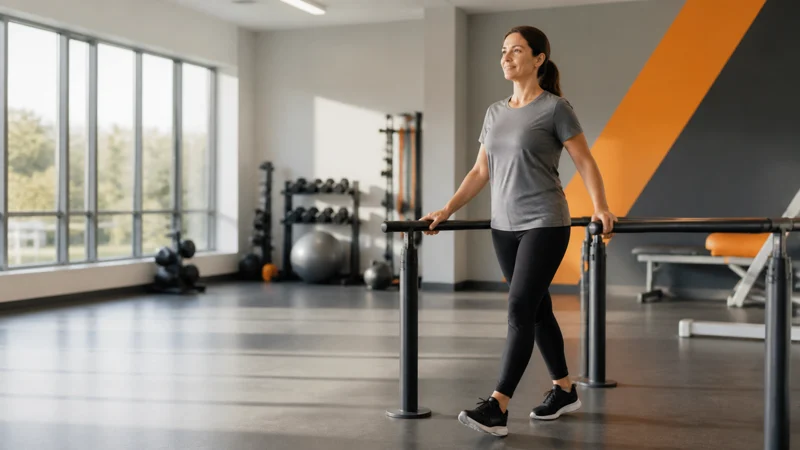
Movement after abdominal surgery is often an important part of recovery, but suitable activity depends on the procedure, the surgical approach, wound healing, and the instructions from your medical team. Follow your surgeon or physiotherapist’s individual plan even when it differs from the general guidance below.
Important: this article provides general information and is not medical advice. Do not begin exercises without clearance from your healthcare professional.
Why Is Early Movement Important?
Short, regular periods of movement may support circulation, breathing, bowel function, and a gradual return to daily activities. The initial goal is not a workout but comfortable recovery without increasing pain or pressure around the surgical area.
1. Diaphragmatic Breathing
Sit or lie in a comfortable position. Breathe in slowly through your nose without holding your breath, then exhale gently. Perform only a few repetitions if approved by your medical team. Support your abdomen with a pillow when coughing if instructed.
2. Ankle Movements
While sitting or lying down, move your feet up and down and make slow ankle circles. This gently activates the lower legs during periods of reduced mobility.
3. Short Walks
Begin with brief walks at home or along a corridor as advised. Increase the duration gradually rather than the speed. Stop if you develop dizziness, severe fatigue, increasing pain, or shortness of breath.
4. Sit to Stand
Use a stable chair with armrests. Move towards the edge, place your feet under your knees, and stand with control, using your arms when needed. Do not hold your breath or strain the abdominal wall.
5. Heel Slides
Lie on your back only if the position is comfortable and approved. Slide one heel slowly towards your body and extend the leg again. Keep the movement small and stop if you feel pulling around the incision.
6. Gentle Pelvic Tilts
After specific professional clearance, you may try a very small pelvic tilt while lying down. Avoid forceful abdominal tightening or breath-holding. Stop if the movement causes pressure or pain.
7. Shoulder and Posture Mobility
Sit upright, relax your shoulders, and make slow backward circles. Gentle chest opening may reduce stiffness from prolonged sitting as long as it does not pull on the surgical area.
How Should Activity Progress?
- Add a little time or a few repetitions rather than changing everything at once.
- Use a pace that allows you to speak normally.
- Avoid heavy lifting, sit-ups, straining, and intense training until your surgeon approves them.
- Do not use pain as a test of progress.
When Should You Stop and Seek Medical Help?
Contact your medical team for increasing or sudden pain, redness, swelling or discharge from the wound, fever, vomiting, new shortness of breath, chest pain, swelling or pain in one leg, dizziness, or fainting. Seek urgent help for severe or sudden symptoms.
Returning to Gym Training
Strength training, running, and direct abdominal loading should return on an individual schedule. A physiotherapist can assess breathing, posture, movement control, and readiness for greater load. Once cleared, begin with lighter resistance and careful technique.
Frequently Asked Questions
When can I start walking?
Brief walking often begins early, but the timing and level of assistance must be decided by your medical team.
When can I perform abdominal exercises?
Only after clearance from your surgeon or physiotherapist. Timing depends on the operation and tissue healing.
Is discomfort during movement normal?
Mild stiffness may occur, but increasing, sharp, or persistent pain should not be ignored.
Conclusion
The safest return to movement after abdominal surgery is gradual, controlled, and coordinated with a healthcare professional. Begin with breathing, ankle movements, and short walks, monitor symptoms, and leave demanding exercises until they are explicitly approved.