
Blog
Foods for Muscle Recovery After a Workout: What and When to Eat
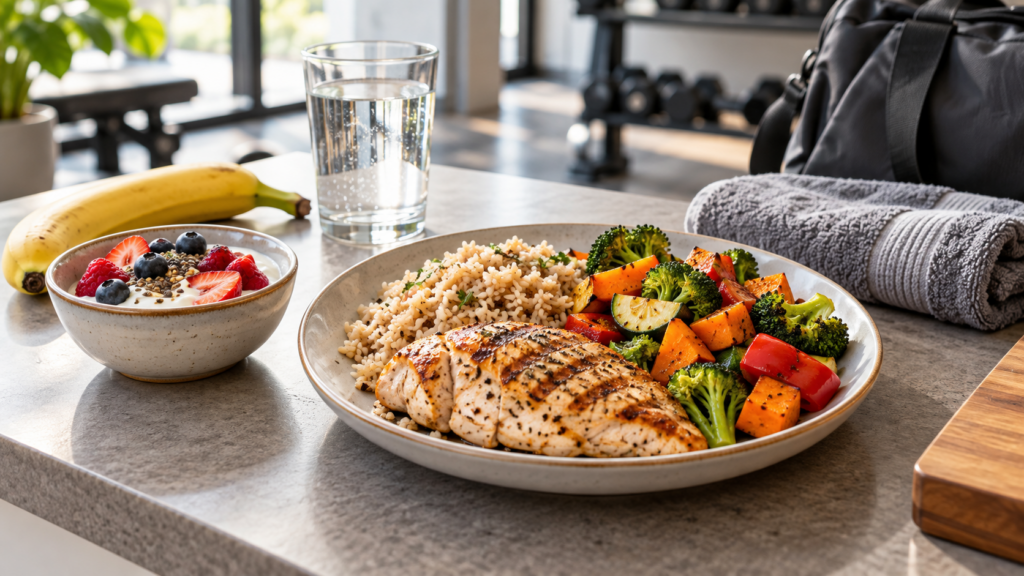
The right food after a workout can support recovery, but you do not need to find one “perfect” food or eat within a few minutes. For most active people, the priorities are sufficient daily energy and protein, regular meals, carbohydrates that match the workload and good hydration.
A practical post-workout meal usually combines a protein source, carbohydrates and fluids. The amount and timing depend on the duration of your workout, your goals, your previous meal and when you plan to train again. These principles apply whether you exercise independently or at an Athletic club in Bulgaria.
What does your body need after a workout?
During exercise, your muscles use energy and the workload creates a stimulus for adaptation. Nutrition afterwards has three main roles:
- providing protein for processes involved in maintaining and repairing muscle tissue;
- replacing some of the carbohydrate stores used, particularly after long or high-intensity exercise;
- replacing fluids and, after heavy sweating, some of the electrolytes that were lost.
Sleep, rest and the overall training plan are also part of recovery. No single food can compensate for consistently insufficient sleep or excessive training.
Protein after exercise
Protein provides amino acids involved in muscle protein synthesis. Sports nutrition position stands emphasise that total daily intake and distributing protein across several meals are more important than focusing on one exact minute after the workout.
Practical protein sources include:
- yogurt, skyr, cottage cheese and other dairy foods;
- eggs;
- chicken, turkey and lean meat;
- fish and seafood;
- lentils, chickpeas, beans and soy foods;
- combinations of legumes and grains;
- a protein product when an ordinary meal is not convenient.
For a broader explanation, read Protein: Everything You Need to Know About Intake.
Why do carbohydrates matter?
Carbohydrates support the restoration of glycogen stores. They become more important after a long, intense or high-volume workout and when another demanding session is scheduled later the same day or the following day.
Useful carbohydrate sources include:
- rice, potatoes, oats and other grains;
- wholegrain bread and pasta;
- fruit;
- legumes;
- milk and yogurt, which provide both protein and carbohydrates.
After a calm and relatively short session, special “refuelling” is usually unnecessary. A normal balanced meal is sufficient. More aggressive strategies mainly apply to competitive athletes or people completing two demanding sessions with little recovery time.
When should you eat after training?
You do not have to finish your final repetition and immediately start eating. If you had a complete meal a few hours before training, you can arrange your next meal at a convenient time.
A practical approach is to eat a meal containing protein within the following few hours. Earlier nutrition becomes more important when you trained without eating beforehand, completed a very long session or need to exercise again soon.
Practical foods and meal combinations after exercise
Yogurt or skyr with oats and fruit
This combination provides protein, carbohydrates and fluid and is convenient after a morning or lunchtime session.
Omelette with wholegrain bread and vegetables
Eggs provide protein, while bread adds carbohydrates. Vegetables add variety and micronutrients.
Chicken or fish with rice, potatoes and salad
This is a complete main meal that can suit recovery after strength training or a longer workout.
Lentils or chickpeas with a grain food
A practical plant-based option combines legumes with rice, bread or another grain.
A sandwich with cottage cheese, cheese, egg or lean meat
A convenient choice when you do not have time for a full main meal immediately after training.
Fruit with a dairy or soy product
A lighter combination for someone who will have a main meal a little later.
What should you eat after strength training?
After resistance exercise, choose a meal with a good source of protein and sufficient overall energy. Add carbohydrates according to the training volume, your goals and the rest of your daily diet.
The food does not need to be liquid or include a supplement. An ordinary meal can serve the same practical purpose. A protein shake is a matter of convenience, not a compulsory requirement for results.
What should you eat after cardio or a group workout?
After short, moderate cardio, your next regular meal may be sufficient. After a longer or more intense cardio session, combine carbohydrates with a protein source and pay additional attention to fluids.
Electrolytes may matter after heavy sweating, hot conditions or prolonged exercise. For a standard gym workout, water and normal food are often enough.
Hydration after exercise
Thirst, urine colour, workout duration and the amount you sweat can provide practical clues about your fluid needs. Drink gradually instead of consuming a very large amount at once.
Water is suitable for many ordinary workouts. When exercise is long, very intense or completed in hot conditions, the recovery plan may also need to account for sodium and other electrolytes.
What should you eat after an early-morning workout?
If you exercise before breakfast and the session is light, you can have breakfast afterwards. Suitable options include yogurt with oats and fruit, eggs with bread or a sandwich containing a protein source.
If the morning workout is long or intense, a small and easily digested snack beforehand may be more appropriate. The choice depends on individual tolerance.
What should you eat after a late-evening workout?
Do not skip food simply because it is late, but choose an amount that does not disturb sleep or cause discomfort. A lighter meal containing protein and carbohydrates may be suitable, such as yogurt with oats, an omelette with bread or rice with fish.
Do you need supplements?
For most people, recovery can be supported with ordinary food. A supplement cannot fix insufficient daily intake, a poorly varied diet or lack of sleep.
A protein product can be convenient when organising a meal is difficult. Other supplements should be considered according to a specific goal, diet, tolerance and qualified professional advice.
Common post-workout nutrition mistakes
- focusing only on protein and ignoring the overall diet;
- expecting one food to remove muscle soreness;
- eating an excessive amount as a “reward” for the workout;
- not drinking enough fluid;
- replacing every meal with a shake;
- copying a professional athlete’s diet without having a similar training volume;
- ignoring allergies, intolerances or medical restrictions.
The most practical rule
After training, choose a meal you can include consistently: a protein source, carbohydrates that match the workload, fruit or vegetables and enough fluids. You do not need a complicated recipe — consistency matters more than a perfect menu.
Request a free workout at Athletic and begin at a club in Bulgaria that you can visit regularly.
This article provides general information. If you have a medical condition, food allergy, pregnancy, a prescribed diet or a need for individual quantities, consult a doctor or qualified registered dietitian.