
Blog
10 Healthy High-Calorie Foods
- Home
- Blog
- Nutrition and Recovery
- 10 Healthy High-Calorie Foods
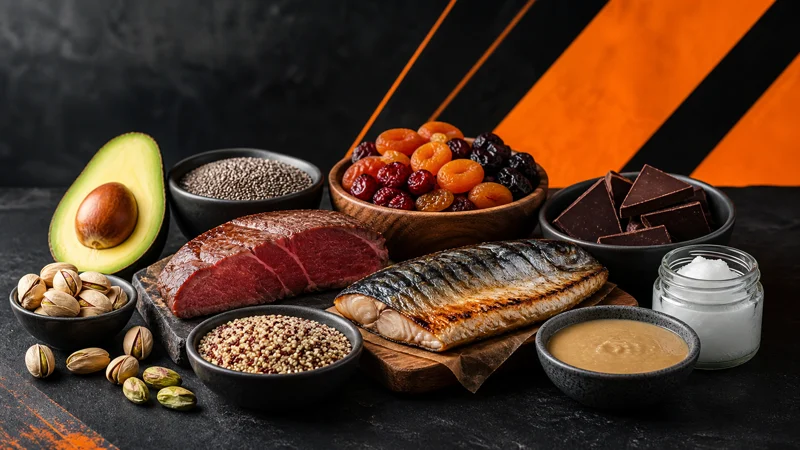
High-calorie food is not necessarily unhealthy. Some foods provide more energy in a small volume while also supplying protein, fibre, beneficial fats, vitamins, and minerals. The key is to choose nutrient-dense foods and control the portion size.
The values below are approximate. Calorie content varies by variety, brand, and preparation method. If you have a specific medical goal or dietary requirement, consult a doctor or qualified dietitian.
What is a healthy high-calorie food?
These foods have a high energy density and a strong nutritional profile. They can be particularly useful for active people, those aiming to gain weight or muscle, or anyone who struggles to eat enough calories. They can also be included in a weight-loss plan when portions are measured carefully.
1. Pistachios
About 560 kcal per 100 g; practical serving: 25–30 g.
Pistachios provide plant protein, fibre, unsaturated fats, potassium, and antioxidants. Nuts in their shells may encourage slower eating and make portions easier to monitor. Choose unsalted or lightly salted raw or roasted pistachios.
2. Avocado
About 160 kcal per 100 g; practical serving: half to one medium avocado.
Avocado is a source of monounsaturated fats, fibre, folate, and potassium. It works well in salads, sandwiches, with eggs, or as part of a main meal. Despite its valuable nutrient profile, a large whole avocado can add a significant number of calories.
3. Chia Seeds
About 480 kcal per 100 g; practical serving: 15–25 g.
Chia seeds contain fibre, plant-based omega-3 fatty acids, and some protein. They absorb liquid and form a gel, making them suitable for yoghurt, porridge, and chia pudding. Consume them with enough fluid and increase the amount gradually.
4. Dark Chocolate
About 550–600 kcal per 100 g; practical serving: 15–25 g.
Dark chocolate with a high cocoa content provides cocoa polyphenols and minerals such as magnesium and iron. That does not make the portion unlimited: chocolate remains calorie-dense and often contains added sugar. Choose a product with at least 70% cocoa and monitor the serving size.
5. Beef Fillet
Usually about 180–300 kcal per 100 g depending on the cut and preparation; practical serving: 120–180 g.
Beef is a complete source of protein, iron, zinc, and vitamin B12. Leaner cuts and gentle cooking methods help limit unnecessary fat. Serve it with vegetables and alternate it with fish, eggs, pulses, and other protein sources.
6. Coconut Oil
About 890 kcal per 100 g; practical serving: 5–10 g.
Like every oil, coconut oil is a highly concentrated source of energy. It contains a large amount of saturated fat, so it is best used sparingly rather than as the main everyday cooking fat. For regular use, favour unsaturated fats such as olive oil.
7. Quinoa
About 360–380 kcal per 100 g dry and approximately 120 kcal per 100 g cooked.
Quinoa provides complex carbohydrates, fibre, magnesium, and all essential amino acids. It can be used as a side dish, a salad base, or part of a balanced post-workout meal. Check whether the calorie information on the label refers to the dry or cooked product.
8. Mackerel
About 200–300 kcal per 100 g depending on the species and preparation; practical serving: 100–150 g.
Mackerel is rich in protein and the long-chain omega-3 fatty acids EPA and DHA. It also contains vitamin D and vitamin B12. Baked or grilled mackerel is a good option; smoked and heavily salted versions usually contain more sodium.
9. Dried Fruit Without Added Sugar
Usually about 250–360 kcal per 100 g; practical serving: 30–40 g.
Drying removes water and concentrates the fruit’s natural sugars and calories. Dried fruit provides fibre and several minerals, but it is easy to overeat. Combine a small portion with yoghurt or nuts and check the label for added sugar.
10. Tahini
About 590–620 kcal per 100 g; practical serving: 15–25 g.
Sesame tahini contains unsaturated fats, plant protein, calcium, iron, and other minerals. Add it to hummus, porridge, sauces, or wholegrain toast. A tablespoon looks small but provides a noticeable amount of energy.
How to Include These Foods Based on Your Goal
For Weight Loss
You do not need to exclude these foods. Measure portions, include them in your total daily calorie intake, and combine them with lower-energy-density foods such as vegetables, fruit, soups, and adequate lean protein.
For Weight or Muscle Gain
Gradually add nuts, tahini, avocado, olive oil, dried fruit, or quinoa to your regular meals. This increases energy intake without making the portions excessively large. Strength training, sufficient protein, and recovery are also essential for building muscle.
Before and After Training
Before training, choose food you digest comfortably and avoid a very large amount of fat immediately before exercise because it slows digestion. After training, combine protein and carbohydrates—for example, quinoa with fish or yoghurt with dried fruit and a small amount of chia.
Frequently Asked Questions
Can I lose weight while eating high-calorie foods?
Yes. Weight loss depends on your overall energy balance. High-calorie foods can be included when their portions fit within your daily calorie intake.
Which of these foods is best for gaining weight?
Nuts, tahini, avocado, dried fruit, and oils can increase calorie intake easily. The best choice depends on the rest of your diet and your individual needs.
Do I need to count calories?
Not everyone needs to count calories, but temporarily tracking portions can help you understand your energy intake. If you have a history of disordered eating, seek professional support rather than starting strict tracking on your own.
Conclusion
Calories are a measure of energy, not a verdict on whether a food is “good” or “bad”. Pistachios, avocado, chia seeds, dark chocolate, beef, coconut oil, quinoa, mackerel, dried fruit, and tahini can all be valuable parts of a varied diet. Quality, frequency, and an appropriate portion for your goal matter most.