
Blog
Fitness After 40: How to Start Safely and Get Results
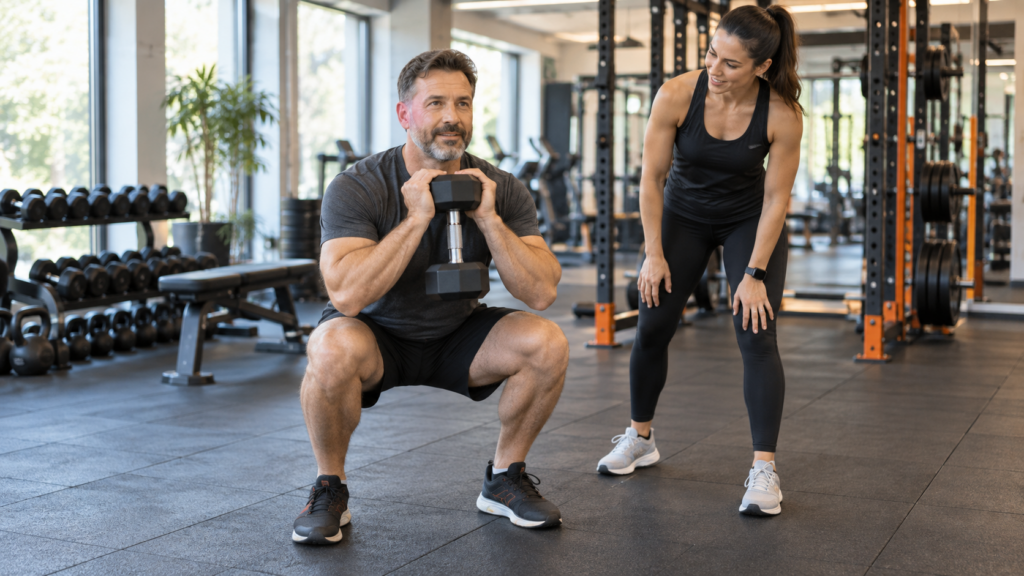
You can successfully start working out after 40, even if you have not exercised for years. The best approach is not to compensate with exhausting sessions, but to build the habit gradually: two or three workouts per week, controlled technique, moderate effort and enough recovery.
If you have a chronic condition, a recent injury, unexplained pain, dizziness or other concerning symptoms, consult a doctor before you begin. The following guidance is general and does not replace individual medical or coaching advice.
Why It Is Worth Starting Fitness Training After 40
Regular movement supports strength, endurance, mobility and everyday energy. The World Health Organization recommends that adults combine aerobic activity with exercises for the major muscle groups. You do not need to reach the full recommended volume in your first week—any sensible increase from your current activity level is a useful first step.
Strength exercises help develop the capacity for everyday tasks such as carrying shopping, climbing stairs, standing up from a chair and walking for longer. Cardio improves work capacity, while mobility work helps you perform movements with better control.
How to Start Working Out After 40
1. Set a realistic first goal
Instead of “I need to get fit quickly,” choose something you can control—for example, visiting the gym twice a week for the next month. Consistency matters more than an ambitious programme that you abandon after a few sessions.
2. Begin with two full-body workouts
For many beginners, two non-consecutive training days per week are a practical starting point. Leave time to recover and only increase the load when the movements feel stable and controlled.
A beginner session may include:
- 5–10 minutes of easy movement on a treadmill, bike or cross-trainer;
- a leg exercise such as a squat to a bench or leg press;
- a pulling movement for the back;
- a pushing movement for the chest;
- an exercise for the hamstrings and glutes;
- a simple core-stability exercise;
- a short period of easy cardio at the end.
The choice of exercises, sets and weights should reflect your experience, mobility and health. If you are unsure about your technique, ask a qualified trainer for guidance.
3. Choose a weight you can control
A suitable starting weight lets you complete the set at an even pace with stable technique, without holding your breath or turning the final repetitions into a struggle. Every set does not need to end in complete exhaustion.
When you can complete all repetitions confidently over several workouts, increase either the weight or the repetitions slightly—not both at the same time.
4. Add cardio gradually
Brisk walking, cycling, the cross-trainer or swimming are practical options. Start with a duration that still allows you to speak in short sentences, then add a few minutes over time. Cardio does not have to be maximal to be valuable.
5. Make recovery part of the plan
Sleep, nutrition and rest days are part of training. Mild muscular fatigue after a new activity can occur, but sharp pain, joint pain, chest discomfort or dizziness should not be ignored. Stop the session and seek medical assessment if you experience concerning symptoms.
A Sample Plan for the First Four Weeks
- Week 1: two short full-body workouts and two walks.
- Week 2: keep the same frequency and improve your technique.
- Week 3: add a little cardio time or one repetition to some exercises.
- Week 4: assess your recovery and increase only one variable—weight, repetitions or duration.
This is a sample framework, not a universal programme. It is perfectly reasonable to repeat the same week if you are still adapting.
Common Mistakes When Training After 40
- Doing too much too soon. A sudden jump in frequency and weight makes recovery harder.
- Copying someone else’s programme. The right workload depends on your starting point, not another person’s age or results.
- Doing only cardio. Combining strength work and aerobic activity develops a wider range of abilities.
- Ignoring technique. Controlled movement matters more than the number on the weight.
- Training through pain. Pain is not a requirement for an effective session.
- Expecting instant change. The first win is a sustainable habit; visible results take time and consistency.
How to Measure Progress
The scale is not the only measure. Track whether your technique is improving, whether you can use a slightly heavier weight, whether you can walk for longer without fatigue and how regularly you train. Recording your sessions helps you make decisions based on actual progress rather than a single day’s feeling.
How Athletic Can Help You Take the First Step
At Athletic, you can combine strength exercises, cardio and group activities according to your level. Explore the fitness training options and choose a convenient Athletic club. If you would first like to experience the environment and consider which workload suits you, request a free visit.
Frequently Asked Questions
Is it too late to start working out after 40?
No. You can begin at any age when the workload reflects your current fitness and health. Gradual progression matters more than how hard you train at the beginning.
How many times per week should I train?
Two full-body sessions per week, supported by moderate movement on other days, are often practical for a beginner. The right frequency depends on your goals, experience and recovery.
Are machines or free weights better?
Both can be useful. Machines often make the first steps easier, while free weights offer more movement options. The best choice is one you can use with sound technique and without pain.
Do I need to lose weight before joining a gym?
No. You do not need to wait until you reach a certain weight before becoming more active. A training plan can be adapted to your current condition.
When should I work with a trainer?
A trainer can be particularly helpful if you have never used gym equipment, are unsure about technique or are returning after a long break. If you have medical limitations, discuss exercise with an appropriate healthcare professional first.
Start with One Small, Achievable Step
You do not need a perfect plan to begin. Choose a convenient club, schedule two visits and focus on controlled technique. Request a free workout at Athletic and take the first step towards a stronger, more active routine.