
Блог
First Time at the Gym: 10 Tips to Settle In Quickly
- Начало
- Блог
- За начинаещи
- First Time at the Gym: 10 Tips to Settle In Quickly
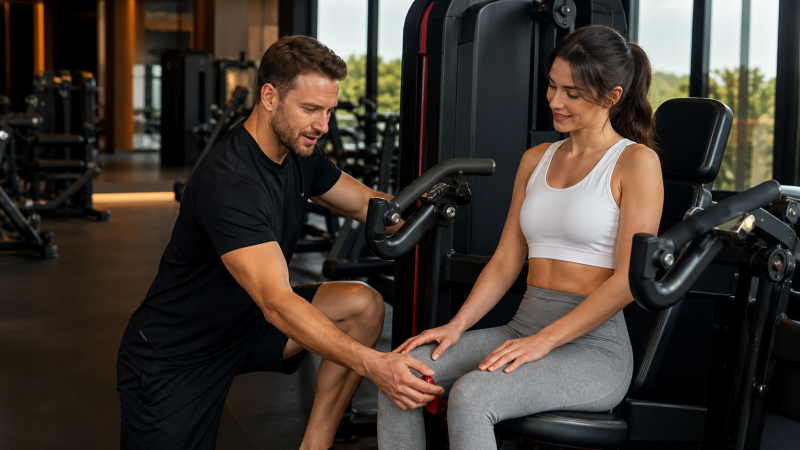
A first gym visit can feel exciting and intimidating. Unfamiliar machines, experienced members and contradictory advice create the impression that you should already know everything. You do not. The goal is to start safely, learn basic movements and build a habit. These ten tips make the first weeks calmer and more productive.
1. Choose a gym you will actually attend
The best gym is not necessarily the largest. Location, opening hours and atmosphere matter. Visit in advance, inspect changing rooms, cardio and strength areas, and ask about busy times. Feeling comfortable increases the likelihood of consistency.
Check access rules, lockers, parking and classes. Avoid committing to a long membership before confirming that the environment works for you.
2. Pack the night before
Bring comfortable sports clothing, clean shoes, water, a towel and a lock if required. Headphones are optional. Avoid clothing that can catch on equipment and unstable, excessively soft shoes for resistance exercises.
You do not need expensive accessories, belts or supplements on day one. The basics are enough.
3. Book an induction
Many clubs provide a tour and introduction to equipment. Use it. Ask how seats adjust, how safety stops work and where weights belong. Mention medical conditions, old injuries or concern about a particular movement.
A qualified personal trainer can provide an assessment and simple programme. Check education and experience, and favour clear explanations over miraculous promises.
4. Enter with a simple plan
Randomly moving between machines creates confusion. A first programme can train the whole body two or three times weekly with six patterns: squat or leg press, hip hinge, horizontal push, pull, vertical movement and trunk exercise.
Complete two sets of 8–12 controlled repetitions. This is sufficient for learning without excessive fatigue.
5. Begin lighter than you want
Your first goal is learning, not impressing anyone. Select a load that permits the target repetitions with at least three or four in reserve. Final repetitions should require attention without changing technique.
When every set is stable, add the smallest load. Small steps build safety and confidence.
6. Learn technique and settings
On a machine, align the movement axis with the relevant joint, plant the feet and use a pain-free range. With free weights, maintain control, stable support and regular breathing. Do not copy another person blindly; proportions and goals differ.
A recording from a useful angle or trainer feedback is better than watching the mirror constantly. Sharp pain means stop.
7. Follow gym etiquette
Return dumbbells and plates, wipe equipment and do not occupy several stations simultaneously. Avoid sitting on a machine through a long phone session. If someone is waiting, offer to alternate when settings allow.
Do not record other people without permission and respect personal space. Ask politely whether equipment is free.
8. Do not compare yourself with advanced trainees
Everyone in the gym once completed a first session. You see another person’s current result, not their years of practice, genetics and circumstances. Compare your own repetitions, technique and consistency over time.
Most people focus on their own workout rather than judging yours. If anxiety is strong, visit during quieter hours or train with a friend.
9. Expect moderate soreness
New activity may cause stiffness 24–48 hours later. Severe pain does not mean a better workout. Easy movement, sleep, fluids and regular food support recovery. Avoid hard loading of a very sore muscle when range is restricted.
Sharp joint pain, major swelling, weakness or worsening symptoms are not ordinary soreness and require assessment.
10. Build a realistic schedule
Begin with two or three sessions of 45–60 minutes per week. Put them in the calendar. A sustainable minimum beats an ambitious six-day plan abandoned after a week.
If a session is missed, continue with the next. Do not compensate for everything in one day.
How to warm up
Use 5–10 minutes of easy cardio or general movement, then preparation sets for the first exercises. Increase load gradually until working weight. Long static stretching is not required before resistance work; use movements related to the session.
An example first workout
- five minutes of walking or cycling;
- leg press – 2 sets of 10;
- machine row – 2 sets of 10;
- chest press – 2 sets of 10;
- light dumbbell Romanian deadlift – 2 sets of 10;
- lat pulldown – 2 sets of 10;
- kneeling plank – 2 sets of 20 seconds.
Rest one to two minutes and use a large reserve. Ask for help with unfamiliar exercises.
How to progress during month one
In week one, learn settings. In week two, add one or two repetitions. In week three, increase load slightly on stable movements. In week four, repeat and review the log. Every workout does not need to be heavier than the previous one.
Cardio for beginners
Begin with 15–25 minutes of moderate walking, cycling or cross training two or three times weekly. You should be able to speak in short sentences. Increase time before intensity. Maximum calorie burning is unnecessary.
Food and water
A special fitness diet is not required. Eat varied foods, sufficient protein, vegetables, fruit and carbohydrate according to activity. Choose a familiar digestible meal before training. A normal protein-containing meal and fluids afterward are enough.
Bring water and drink according to thirst. Energy drinks and pre-workout stimulants are unnecessary, particularly in the evening.
Do you need supplements?
No. Protein powder is convenient food rather than a requirement. Creatine may be useful after a consistent programme is established, but training, nutrition and sleep are the foundations. Avoid fat burners and products with unclear ingredients.
Keeping a log
Record exercise, machine setting, load, sets and repetitions. Add a brief technique note. This saves time and shows when to progress.
Planning around a busy gym
Have one alternative for each movement: leg press for squat, dumbbell press for a machine, or cable row for a supported row. This avoids waiting without turning the programme into random exercise. Ask to work in when appropriate and reset the equipment afterward.
If you have a condition or injury
Consult a doctor or physiotherapist for cardiac, respiratory or metabolic disease, recent surgery, pregnancy or significant injury. A gym instructor does not replace medical assessment. Use pain-free variations and follow restrictions.
Common mistakes
- making the first workout too hard;
- copying an advanced programme;
- skipping warm-up and machine setup;
- changing exercises every day;
- expecting a visible transformation within two weeks;
- insufficient rest and sleep;
- being afraid to ask for help.
Frequently asked questions
How many days should I start with?
Two or three full-body sessions are an excellent beginner frequency.
Machines or free weights?
Both work. Machines simplify setup, while free weights develop control. Combine them according to skill and comfort.
How long should I rest between sets?
Approximately one to three minutes depending on exercise and effort. Begin the next set when it can be performed well.
What if I feel anxious?
Visit during a quiet hour, book an induction, prepare the plan and begin with familiar machines.
Conclusion
The first month is for learning rather than proving yourself. Choose a convenient club, follow a simple plan, begin lightly and respect etiquette. Record progress and build a schedule you can maintain. Confidence develops through repetition.